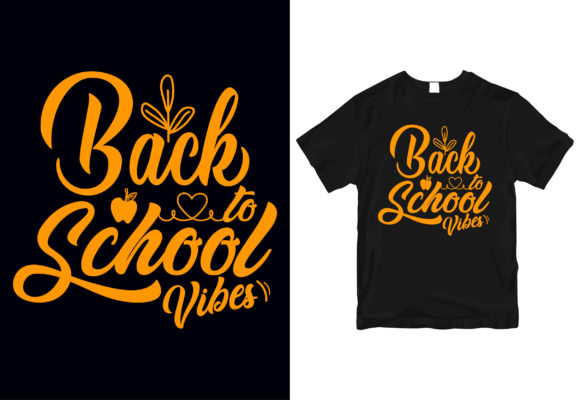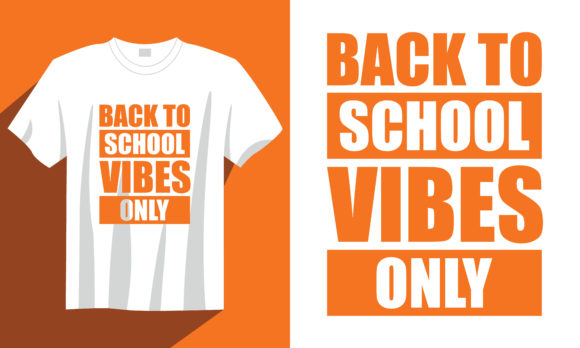
School Vibes: How a Back to School T Shirt Design Kit Streamlines Your Creative Workflow
Preparing for a new academic season often means juggling multiple projects, tight deadlines, and the need for consistent visual branding. Whether you are a small business owner stocking up on seasonal inventory, a teacher organizing class events, or a parent planning a memorable first-day photoshoot, the right design foundation makes all the difference. A dedicated Back to School T Shirt design kit, centered around the theme of School Vibes, offers a practical shortcut to professional results without requiring advanced design skills. This type of resource acts as a multiplier for productivity, allowing you to focus on execution rather than starting from scratch.
Understanding what a complete design bundle includes and how to integrate it into your regular workflow can save hours of repetitive work. The kit described here delivers a flexible set of assets that adapt to multiple formats and surfaces, making it a versatile addition to any creator's toolkit.
What the Design Kit Contains and Why It Matters for Your Process
A well-structured design package eliminates the friction of sourcing individual elements. This particular bundle arrives as a single ZIP folder, containing all the core files you need for both digital and physical production. Inside, you will find EPS, SVG, PDF, and JPEG versions of the design. Each format serves a specific purpose in a production pipeline, and having them pre-exported saves you from manual conversion and potential quality loss.
The availability of an eps 10 version is especially relevant for professionals working with vector editing software. EPS files preserve scalability, meaning you can enlarge the design for a poster or shrink it for a mug without pixelation. Equally important, the color fonts used in the design are changeable. This feature gives you direct control over branding consistency. You can adjust the palette to match a school's colors, a retailer's seasonal theme, or a personal preference without rebuilding the artwork from the ground up.
For everyday use, here is how each file type typically fits into a real workflow:
- EPS and SVG files are ideal for screen printing, vinyl cutting, and large-format production. They retain vector sharpness and allow precise color adjustments.
- PDF files work well for proofing, client approvals, and direct printing on certain digital presses. They are also a universal format for sharing with collaborators.
- JPEG files are ready for quick mockups, social media previews, and online store listings. They provide a lightweight option for testing layouts or placing designs on product templates.
By including all four formats, the kit supports both high-end production runs and rapid prototyping. You can move from concept to physical sample in the same day, which is a distinct advantage when working with short turnaround windows.
Using the Design Before, During, and After a Project
Integrating a Back to School T Shirt design into your workflow is not limited to the final print step. The resource has utility across multiple phases of a project lifecycle.
Preparation Phase: Planning and Brand Alignment
Before production begins, use the design files to create mockups for client presentations or team reviews. Because the color font is changeable, you can produce several variations of the same School Vibes concept to test against different audience segments. This is particularly useful for educators or PTA organizers who need to align with school spirit colors while keeping the design fresh. Similarly, small business owners can preview the design on T-shirts, mugs, and bags simultaneously using the JPEG files in a mockup template, ensuring the composition works across product lines before committing to inventory.
The EPS version allows you to open the file in Adobe Illustrator or Affinity Designer and quickly swap out the base palette. If your school or organization has specific guidelines for accent colors or typography, this editability means the design can be tailored in minutes rather than hours.
Production Phase: Efficient Output Across Channels
Once the design is finalized, the real efficiency gains become apparent. For a typical run of custom T-shirts, you would send the EPS file directly to your screen printer or use the SVG file for a heat press vinyl cutter. The vector nature of these files ensures clean edges on fabric, especially for text-heavy designs where readability matters.
If you are producing merchandise beyond apparel, the same design can be applied to mugs, bags, poster cards, and other promotional items without rework. The PDF and JPEG versions are ready for print-on-demand services, which often require specific file types for upload. By having all formats in one folder, you avoid the back-and-forth of converting files and checking compatibility. This consistency reduces errors and keeps the product quality uniform across your entire merchandise lineup.
Post-Project Use: Asset Management and Resale
After the initial campaign or event, the design files remain a valuable asset in your archive. Because the elements are vector-based, you can revisit the kit for future seasons. Changing the color font again or resizing the design for a different product line extends the lifespan of the original purchase. This is a practical consideration for freelancers and publishers who produce seasonal content repeatedly. The ZIP folder becomes a reusable template that slots into your annual workflow, requiring only minor updates to stay relevant.
For entrepreneurs who sell custom products on marketplaces like Etsy or Shopify, having a adaptable design like this allows you to create multiple listings from a single source file. You might offer the same School Vibes artwork on a T-shirt, a tote bag, and a notebook, each with its own product page. The consistency builds brand recognition while the varied formats handle the technical requirements of each platform.
Practical Implementation Tips for Smooth Integration
Getting the most out of a design kit involves more than just unzipping the folder. A few deliberate steps can improve your organization and output quality.
- Check color compatibility early. Before you send files to production, open the EPS or SVG version and verify that your chosen palette works with your printer's color profile. If the design uses spot colors, confirm they match your supplier's ink system. For print-on-demand services, test the JPEG or PDF on their product mockup tool first.
- Maintain a clean file naming convention. When you unzip the folder, rename the files to reflect your specific project, such as School_Vibes_Tshirt_Final.eps. This prevents confusion when you have multiple projects running simultaneously and helps collaborators find the correct version quickly.
- Make a master template. If you plan to reuse the design across seasons, keep one working EPS file with the base layout intact. Duplicate it for each variation rather than editing the original. This preserves the source and allows you to revert changes if needed.
- Use layers for efficiency. When working with the EPS file in a vector editor, organize elements into separate layers: background, text, graphics. This makes future edits faster and reduces the risk of accidentally moving a core element.
- Test on a small batch first. Before committing to a large order, produce one sample of the T-shirt, mug, or bag using the SVG or JPEG file. Evaluate the color, scale, and placement. Adjust the design in the EPS file if necessary, then run the full production. This small step can prevent costly mistakes.
How This Kit Interacts with Other Tools and Platforms
The design package is not an isolated resource; it integrates with a wide range of software and services that creative professionals use daily. Adobe Illustrator, CorelDRAW, Inkscape, and Affinity Designer all handle EPS and SVG files natively. For those who prefer web-based tools, Canva and similar platforms accept SVG uploads, allowing you to further customize the design in a browser without installing heavy software.
The JPEG version is useful for quick placements in Microsoft Word, Google Docs, or presentation software. Teachers creating classroom signs or event flyers can drop the JPEG directly into their document without needing specialized skills. This accessibility lowers the barrier for non-designers while still giving professionals the vector files they require.
For print-on-demand vendors such as Printful, Printify, or Amazon Merch, the PDF format meets the resolution and transparency requirements that these platforms often specify. You can also use the SVG file for cutting machines like Cricut or Silhouette, which opens up DIY production for hobbyists and small-scale makers. The compatibility across these ecosystems means the same Back to School T Shirt design can move from a digital canvas to a physical product with minimal friction.
Long-Term Value and Quality Control Considerations
Investing in a design kit that includes editable vector files pays dividends over multiple project cycles. The ability to change the color font ensures the design does not become stale. You can refresh the look for different grades, campuses, or even seasonal promotions without purchasing a new license each time. This is especially relevant for publishers and marketers who produce recurring content for back-to-school campaigns year after year.
Quality control is simpler when the source files are consistent. Since all formats originate from the same EPS master, you can be confident that the JPEG thumbnail matches the SVG cut file and the PDF proof. This uniformity reduces the chance of a mismatch between what you see on screen and what comes off the press. For anyone managing multiple product SKUs, that consistency is a practical time-saver.
Additionally, vector files do not degrade with repeated copying or resizing. A design you create today for a T-shirt can be scaled up to a poster card next month with no loss of fidelity. This flexibility supports both small-batch personalized orders and larger inventory runs, adapting the same creative asset to different business needs.
Observations on Workflow Integration
Based on how creators and entrepreneurs typically operate, there are a few patterns worth noting. First, the most efficient users do not treat the design kit as a one-time asset. They archive the folder with a clear label, often by year or event name, and pull it into new projects with minor modifications. This approach builds a library of reusable resources over time, reducing the effort required for each subsequent season.
Second, the changeable color font feature is often underutilized initially. Many users accept the default palette and move straight to production. Taking ten minutes to experiment with alternative color combinations can differentiate your product on a crowded marketplace. It also allows you to align the design with specific brand guidelines without starting from scratch.
Finally, the inclusion of multiple file formats encourages a cross-platform workflow. You might design on a desktop computer, preview on a mobile device, and share proofs with a client via email using the PDF. The JPEG serves as a fast visual reference, while the EPS remains the authoritative source. Having each format ready prevents bottlenecks and keeps the project moving forward without forcing everyone onto the same software.
Whether you are a professional designer aiming to speed up repetitive tasks or a small business owner launching a seasonal product line, this Back to School T Shirt and School Vibes kit provides the structural foundation you need. By understanding what each file type offers and planning how to use it across preparation, production, and post-project phases, you can turn a single download into a lasting part of your creative toolkit.