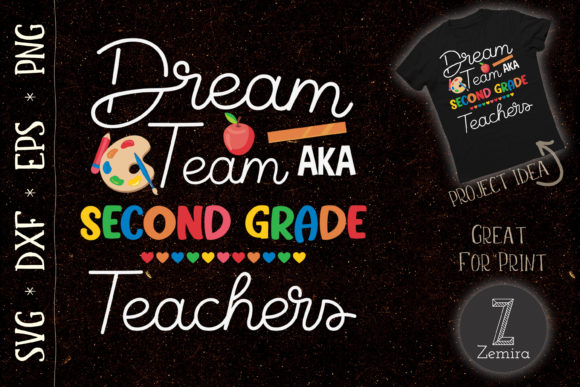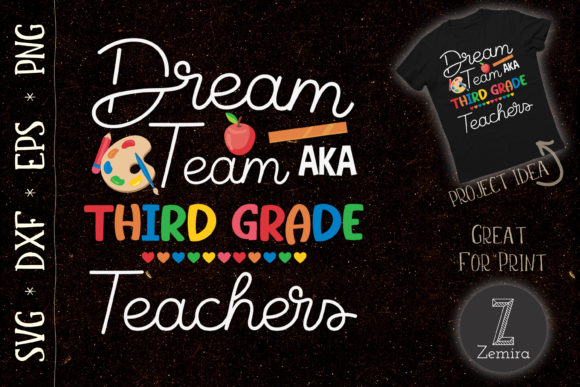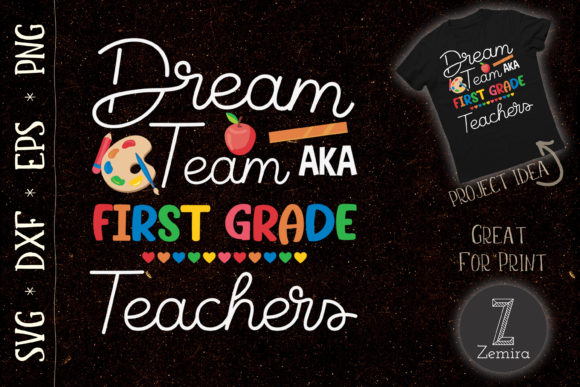
Dream Team Fifth Grade Back to School: A Versatile Design Resource for Custom Projects
Getting ready for a new school year often means creating personalized items that help children feel excited and confident. Whether you are a parent looking to make a unique t-shirt for the first day, a teacher preparing classroom decorations, or a small business owner crafting back-to-school merchandise, having the right design files can make all the difference. The Dream Team Fifth Grade Back to School file set offers a bundle of vector and raster formats designed for a wide range of custom projects. But how does it compare to other options? Is it the right fit for your specific needs? This article explores what this resource provides, its strengths and tradeoffs, and how it stacks up against alternative approaches so you can make an informed decision.
What Makes the Dream Team Fifth Grade Back to School File Set Distinct?
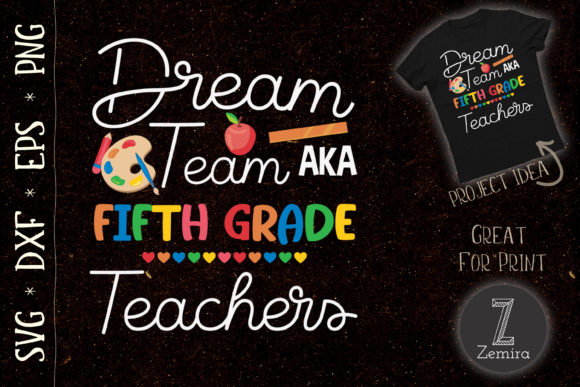
At its core, this product is a collection of four different file formats built around a fifth-grade back-to-school theme. The set includes one SVG file, one DXF file, one EPS file, and one PNG file with a transparent background at 300 DPI. Each format serves a different purpose and supports various crafting workflows.
- SVG (Scalable Vector Graphics): Ideal for use with cutting machines like Cricut Explore and Silhouette Designer Edition. SVGs retain crisp edges at any size, making them a go-to for vinyl cutting, iron-on transfers, and stencil projects.
- DXF (Drawing Exchange Format): A widely compatible vector format that works with the free version of Silhouette Studio, as well as many CAD and design programs. DXF files are useful for users who need a vector option that does not require a paid software upgrade.
- EPS (Encapsulated PostScript): A standard vector format that opens in Adobe Illustrator, Corel Draw, and Inkscape. EPS files are versatile for professional designers who want to further edit, scale, or combine elements in a robust vector environment.
- PNG (Portable Network Graphics): A high-resolution raster image with a transparent background, ready for print-on-demand services, digital printing, or use in programs that do not support vector files. The 300 DPI resolution ensures sharp results for t-shirts, mugs, and other print projects.
What makes this set distinct is its all-in-one approach. Instead of offering just one format, it covers both vector and raster needs, which reduces the friction of converting files or searching for compatible versions. This is especially helpful if you work across multiple devices, software, or production methods. The theme itself is targeted at fifth-grade back-to-school projects, which gives it a specific niche appeal for families, educators, and small shops serving that age group.
Comparing File Formats: Strengths, Tradeoffs, and Best-Fit Situations
When evaluating the Dream Team Fifth Grade Back to School set against other design options, it is helpful to understand how each format performs in real-world scenarios. No single format is universally best; the right choice depends on your equipment, skill level, and end use.
SVG vs. Other Vector Formats
SVG is one of the most popular formats for electronic cutting machines because it preserves scalability and is widely supported by Cricut Design Space and Silhouette Studio (Designer Edition). The SVG in this set is ready to use without additional conversion. However, if you use the free version of Silhouette Studio, you may find that SVG import is not supported, which is where the included DXF file becomes valuable. The DXF format can be opened in the free Silhouette Studio software, though you may need to adjust layers or check for path integrity. For users of Adobe Illustrator or Corel Draw, the EPS format offers more robust editing capabilities, such as ungrouping objects, changing colors, and adding typography. If you only need a quick print-ready image, the PNG file avoids vector complexity entirely. The tradeoff is that PNG is resolution-dependent, so scaling it up beyond its original size could lead to pixelation.
EPS and DXF for Professional and Hobbyist Use
The EPS file is a strong choice for designers who want to maintain full control over the artwork. You can open it in Illustrator or Inkscape, modify paths, and export to other formats as needed. This flexibility comes with a learning curve, as vector editing software requires some familiarity. The DXF file, on the other hand, strikes a balance between compatibility and ease of use. Many crafters find DXF to be a reliable fallback when SVG is not an option. One limitation is that DXF files sometimes lose stroke or fill information depending on the software version, so it is wise to test the file with your specific program before starting a production run.
PNG for Print-on-Demand and Quick Projects
For those who sell t-shirts, mugs, or cushions through print-on-demand platforms, the PNG format is often the most straightforward. The transparent background allows you to place the design on different colored products without manual masking. The 300 DPI resolution is standard for high-quality print, but if your platform requires a larger file for bigger products, you may need to upscale the image, which could affect sharpness. Vector formats like SVG or EPS would give you more flexibility for scaling without quality loss, but they are not always accepted by print-on-demand interfaces. This is where having all four formats in one set saves time: you can use PNG for quick uploads and SVG or EPS for local production with your own equipment.
Strengths and Tradeoffs of Using a Pre-Made Design Set
One of the biggest advantages of a ready-to-use file bundle like Dream Team Fifth Grade Back to School is convenience. Instead of designing from scratch, hiring a graphic designer, or piecing together separate files, you receive a cohesive set that works across multiple platforms. This is especially valuable for parents who want to make a one-off shirt for their child without learning design software, or for teachers who need quick decorations for a classroom event.
However, there are tradeoffs to consider. Because the files are pre-made, you have limited ability to customize the core design. If you wanted to change the font, alter the mascot, or add a student name, you would need vector editing skills and software capable of handling SVG or EPS. The PNG format cannot be easily edited without losing quality. Additionally, the theme is fixed around fifth grade, so if your project targets a different grade level or a more general back-to-school concept, this set may not be the best fit. In that case, you might need a set with editable text or a broader theme.
Another tradeoff is the potential for overlap with other users. Since these files are available for anyone to purchase, the same design could appear on multiple shirts in the same classroom or school. If uniqueness is a priority, you may want to combine the design with other elements, use a different color scheme, or print on an unusual product to differentiate your project.
When Dream Team Fifth Grade Back to School Is the Right Choice
This file set works best in situations where you need a reliable, ready-to-use design specifically for fifth-grade back-to-school projects. Ideal use cases include:
- Parent projects: Making a personalized t-shirt or tote bag for your child to wear on the first day. The SVG and DXF files are perfect for cutting heat-transfer vinyl with a Cricut or Silhouette.
- Teacher classroom prep: Creating name tags, bulletin board decorations, or desk labels with a cohesive theme. The EPS file allows for scaling and color adjustments if you have design software.
- Small business production: Offering fifth-grade-themed mugs, cushions, or key holders in an online shop. The PNG file provides a quick upload option for print-on-demand, while SVG and DXF support heat press and sublimation workflows.
- Gift making: Crafting a card or photo frame for a fifth grader beginning the school year. The transparent PNG can be layered into a card design easily.
If your project aligns with these scenarios, the Dream Team Fifth Grade Back to School set can save you hours of design time and reduce the frustration of format incompatibility.
When You Might Need an Alternative Approach
No single product suits every need, and there are situations where a different resource may be more appropriate. Consider looking for an alternative if:
- You need full customization: If you want to change the text, replace the graphic, or adapt the design for a different grade level, a fully editable template in a native format (such as an AI or SVG file with layered text) would be more flexible.
- You prefer a hand-drawn or unique aesthetic: Pre-made vector files often have a clean, digital look. If you are aiming for a hand-lettered or illustrated style, commissioning a custom design or using a hand-drawn scan might better match your vision.
- Your project requires multi-layer cutting: Some complex designs benefit from separate color layers for cutting different vinyl colors. This set likely groups the design into a single layer or a few layers, so if you need a multi-layer cut file, you may need to manually separate elements using vector software.
- You work exclusively with one software or machine: If you only use Cricut Design Space and have no need for DXF or EPS, a simpler SVG-only bundle might offer a lower price point with no extra files.
Evaluating these factors upfront helps you decide whether the convenience of an all-in-one set outweighs the limitations in customization.
Practical Examples and Use Cases
To see how the Dream Team Fifth Grade Back to School files perform in practice, consider a few realistic scenarios.
Example 1: T-shirt for a fifth grader. A parent uses the SVG file in Cricut Design Space, cuts heat-transfer vinyl, and presses the design onto a cotton shirt. The process takes about 30 minutes from download to finished shirt. The result is crisp and professional. If the parent later wants to make a matching mug, they can use the PNG file with a sublimation printer or a print-on-demand service.
Example 2: Classroom cushion. A teacher uses the DXF file in the free Silhouette Studio to cut iron-on vinyl for a cushion cover. Because the DXF opens without needing the Designer Edition upgrade, it keeps costs low. The teacher notes that the file requires a quick check of cut lines, but overall it works smoothly.
Example 3: Small batch key holders. A small business owner uses the EPS file in Adobe Illustrator to resize the design for keychain blanks. They adjust the color to match their inventory and export a new SVG for cutting. The ability to edit the vector file is essential here, and the EPS format provides the necessary flexibility.
These examples illustrate how the same file set can adapt to different production methods, from low-volume home crafting to small batch sales.
Decision Factors: What to Consider Before Downloading
Before purchasing, take a moment to evaluate your specific situation against these factors:
- Compatibility: Confirm that your primary software or machine supports at least two of the formats offered. If you only use a mobile app that accepts PNG, that may be sufficient. If you rely on a specific cutting machine, check its format requirements.
- Project scale: For one or two items, the PNG and SVG files are likely all you need. For bulk production, having the EPS file for resizing and color adjustments becomes more important.
- Design flexibility: If you anticipate wanting to modify the text or graphic elements in the future, ensure you have the tools and skills to edit the vector formats. Otherwise, the PNG version may leave you stuck with the original design.
- Time vs. skill: If you want a fast solution without learning new software, the PNG file lets you print and go. If you enjoy crafting and have experience with vector editing, the SVG and EPS files offer more creative control.
- Uniqueness: Consider whether a pre-made design meets your need for individuality. If you are making items for a group, personal touches like color choice or additional embellishments can help the final product stand out.
Weighing these factors will help you determine whether the Dream Team Fifth Grade Back to School file set aligns with your project goals, or whether a different resource might serve you better.
In summary, this product offers a practical, multi-format solution for fifth-grade back-to-school crafting. Its strength lies in providing four common file types that cover both cutting and printing workflows, making it a versatile option for parents, teachers, and small business owners. The main tradeoffs involve limited customization and a fixed theme, which may not suit every need. By considering your own equipment, skills, and desired outcome, you can confidently choose whether this set is the right tool for your next back-to-school project.