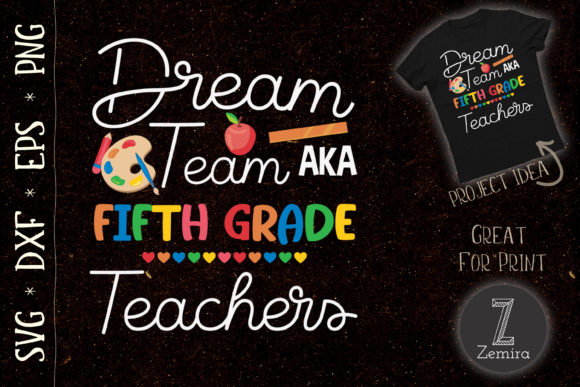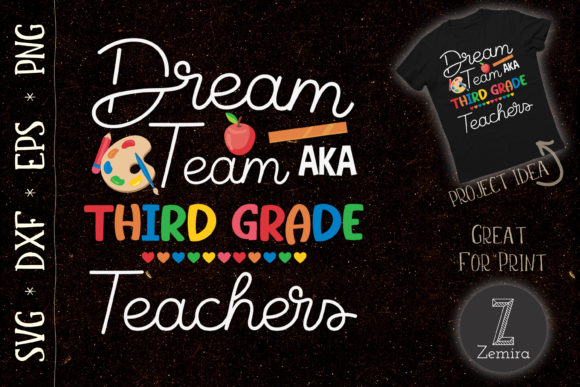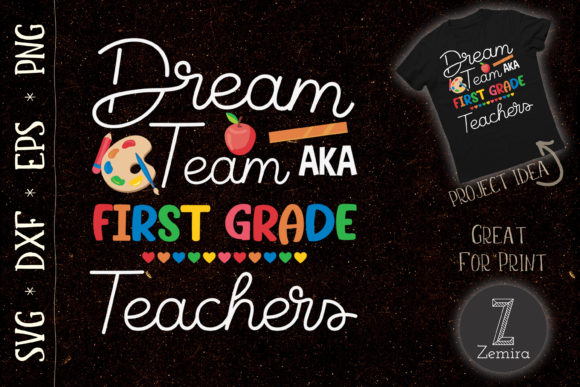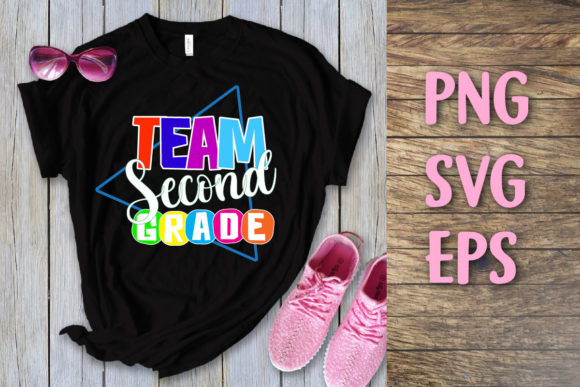
Dream Team Second Grade Back to School: A Strategic Resource for Creators and Educators
When the back-to-school season approaches, the need for clear, engaging, and consistent visual materials becomes acute. For anyone involved in preparing a classroom, launching a related product line, or supporting a second-grade community, the Dream Team Second Grade Back to School bundle offers more than just decorative elements. It provides a foundation for coherent communication, creative productivity, and intentional branding. This article explores how to use this resource strategically, what to consider before deploying it, and how it can support long-term goals beyond a single season.
Understanding the Dream Team Second Grade Back to School Bundle
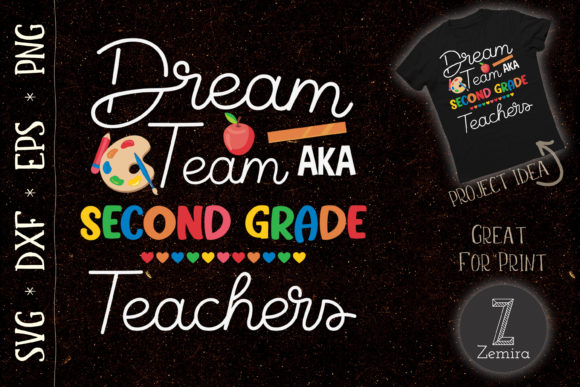
At its core, this bundle contains four file formats: SVG, DXF, EPS, and PNG. Each format serves a distinct technical purpose. The SVG file works with Cricut Explore and Silhouette Designer Edition, making it ideal for cutting vinyl or creating layered designs. The DXF file opens in the free version of Silhouette software, which is useful for users who do not own the paid edition. The EPS file is compatible with Adobe Illustrator, Corel Draw, and Inkscape, allowing for advanced vector editing. The PNG file, at 300 DPI with a transparent background, is ready for high-resolution printing on nearly any surface.
This combination means the same core design can be adapted for t-shirts, mugs, cushions, key holders, cards, and classroom signage. The flexibility is not accidental; it reflects a deliberate consideration of how creators and educators actually work across different tools and output methods. Rather than locking you into one workflow, the Dream Team Second Grade Back to School bundle supports multiple paths to a finished product.
Why Thoughtful Use of This Resource Supports Strategic Goals
Using a pre-designed bundle like this can accelerate planning and production, but only when approached with clear intent. The Dream Team Second Grade Back to School assets can serve as a consistent visual language across a school event, a product launch, or a classroom theme. Consistency in design strengthens recognition, whether you are a small business owner creating a limited run of merchandise or a teacher preparing materials for the first week of school.
For entrepreneurs and small business owners, the bundle reduces the time spent on custom graphic creation. Instead of starting from scratch, you can modify the EPS or SVG files to match your brand colors or add your own text. This saves hours and allows you to focus on pricing, distribution, and customer communication. For educators, the PNG files can be printed directly for bulletin boards, name tags, or welcome signs, cutting down on the manual labor of hand-drawing or designing from zero.
From a positioning perspective, using a cohesive design set signals professionalism and attention to detail. A second-grade classroom that uses the Dream Team theme across door decorations, folder labels, and parent handouts creates an environment where students and families feel a sense of belonging and organization. Similarly, a small batch of mugs or cushions sold at a school fair becomes more memorable when the design is uniform and well-executed.
When to Use the Bundle and How to Approach It
The obvious use case is the back-to-school season itself, typically from late July through September. However, the bundle can be applied in other contexts. Consider using it for end-of-year thank-you gifts for parent volunteers, or as part of a school spirit campaign that carries through the academic year. The key is to align the timing with your audience's expectations. If you are a creator selling products, launching them too early or too late can reduce relevance. Aim for a window where second-grade families are actively preparing for school or reflecting on the experience.
Approach the files methodically. Start by reviewing the SVG and EPS files in your preferred design software. Check the layers, colors, and any editable text. If you plan to use the PNG for printing, verify the resolution at your intended print size. The 300 DPI specification ensures clarity up to at least A4 or letter size, but scaling up beyond that may require testing. If you are a freelancer or marketer helping a school or business, test the files on your target medium before committing to a large run. A small sample cut or print can catch issues with alignment, bleed, or color interpretation.
Practical Planning Tips for Creators and Educators
Start by defining the core message you want the design to communicate. Is it about teamwork, excitement for learning, or simply a fun aesthetic? The "Dream Team" concept implies collaboration and shared goals, which can be reinforced in how you use the design. For example, a teacher might create a "Dream Team" bulletin board that lists classroom jobs or group assignments, using the design as a header. A small business owner might produce a limited series of key holders with the design and pair them with a note about the value of teamwork in second grade.
Next, consider the production process. If you are using a cutting machine like Cricut, the SVG file will need to be imported correctly. Pay attention to the size settings and the type of material you are cutting. Vinyl, iron-on, and cardstock all behave differently. For DXF users in the free Silhouette software, check that the file opens without missing lines or distorted shapes. Sometimes, DXF files can lose stroke information, so a quick test cut is advisable.
For those using the EPS file in Adobe Illustrator, take advantage of the vector nature to adjust colors, scale without loss, and combine with other design elements. This is particularly useful if you are developing a larger branding system that includes multiple grades or subjects. You can adapt the Dream Team Second Grade design to fit a broader school-wide theme while keeping the core visual identity intact.
From an operational perspective, plan your production timeline. If you are ordering printed mugs or cushions from a third-party service, factor in shipping and sampling time. If you are making items yourself, organize your materials and workspace ahead of time. Batch similar tasks together: cut all vinyl pieces in one session, press all shirts in another. This improves productivity and reduces setup overhead.
Strategic Considerations for Branding and Customer Experience
If you are a small business owner or blogger, the Dream Team Second Grade Back to School design can be part of a broader content or product strategy. For example, you might create a blog post about preparing for second grade, featuring the design as a downloadable bonus for subscribers. This positions the design as a value-add rather than a standalone product, increasing perceived utility and encouraging email sign-ups.
For marketers and publishers, the design can be used in social media graphics, email headers, or printed collateral for school events. Consistency across channels builds trust. When a parent sees the same Dream Team design on a Facebook post, a printed flyer, and a t-shirt, the message feels coordinated and intentional. This kind of repetition supports brand recall and community engagement.
Educators can also use the design to improve the classroom experience. A consistent visual theme reduces cognitive load for young students; they quickly learn where to look for their name tags, where the class rules are posted, and which group they belong to. The Dream Team theme, with its emphasis on collaboration, can be woven into morning meetings, group activities, and even student awards. The design becomes a tool for reinforcing positive behavior and shared identity.
Risks of Using the Bundle Without Clear Goals
The main risk is using the design without aligning it to a specific purpose. Simply printing the PNG onto a t-shirt or cutting the SVG for a mug may result in a nice object, but it will lack strategic impact. Without a clear goal, the design becomes decoration rather than communication. This can lead to wasted materials, time, and missed opportunities to reinforce a message or brand.
Another risk is format mismatch. Using an SVG file designed for cutting on a printer without converting it properly can lead to poor results. Similarly, assuming a DXF file will work seamlessly in a program that does not fully support it can cause frustration. Each format has its intended use, and ignoring those boundaries undermines the value of the bundle. Take the time to understand which file to use for which output. The SVG and DXF are for cutting, the EPS is for editing, and the PNG is for printing. Mixing them up without adjustment will produce subpar outcomes.
There is also the risk of overuse. If every item in a classroom or product line uses the same design in the same way, it can become monotonous. Strategic variation—using the design as an accent rather than the entire visual—often yields better results. For example, use the full design on a central poster, but use a simplified element from it on smaller items like pencils or stickers. This maintains coherence while preventing visual fatigue.
How to Use Dream Team Second Grade Back to School Intentionally
Start with a written objective. Write down what you want the design to achieve. Is it to welcome students? To sell merchandise? To unify a campaign? Then map each use of the design back to that objective. If the goal is to build classroom community, the design should appear in places that facilitate interaction, like group labels or a class charter. If the goal is to sell products, the design should appear on items that are practical and giftable, like mugs or key holders.
Test before scaling. Whether you are a hobbyist making a few items for family or a small business owner planning a product launch, test one or two pieces first. This is especially important when working with new materials or equipment. A test run reveals whether the design size is appropriate, whether the colors work on the chosen surface, and whether the production process is efficient.
Integrate feedback. If you are an educator, ask a colleague or a parent for their impression of the design in your classroom. If you are a creator, show a sample to a trusted customer or friend. Honest feedback can prevent you from investing heavily in a direction that does not resonate. The Dream Team Second Grade Back to School bundle is a resource, but your audience's response determines its effectiveness.
Long-Term Value Beyond the Back-to-School Season
One of the overlooked advantages of a design bundle like this is its potential for reuse. With slight modifications, the SVG or EPS files can be adapted for other events: a second-grade graduation, a team-building day, or a reading celebration. The core visual identity stays, but the context shifts. This extends the lifecycle of your investment and reduces the need to start from scratch for every occasion.
For entrepreneurs, this means you can offer variations on the Dream Team theme across multiple product drops. For educators, it means you can build a year-long classroom identity that evolves but remains recognizable. The initial effort of setting up the files and learning the workflow pays dividends each time you revisit them.
Ultimately, the Dream Team Second Grade Back to School bundle is a tool. Its value depends entirely on how thoughtfully it is deployed. When you treat it as part of a larger strategy—whether that strategy is about community, branding, productivity, or learning—it becomes far more than a set of files. It becomes a reliable component of your creative and operational toolkit.