First Day of School Back to School SVG Files: Your Complete Guide to Crafting the Perfect Start
The first day of school is a milestone that families remember for years. It is a day filled with new backpacks, fresh pencils, nervous smiles, and, of course, the perfect outfit. For crafters, parents, and small business owners, the First Day of School Back to School design has become an essential part of this tradition. Whether you are making a custom t-shirt for your child, a mug for a teacher, or a decorative sign for a classroom, having the right file format can make all the difference. This guide walks you through everything you need to know about these versatile digital files, from what they are to how you can use them creatively and effectively.
What Are First Day of School Back to School Digital Files?
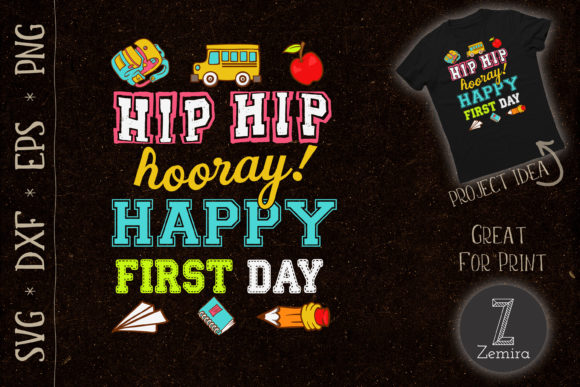
Digital design files are the backbone of modern crafting. When you purchase a First Day of School Back to School bundle, you typically receive four key formats: SVG, DXF, EPS, and PNG. Each of these files serves a specific purpose, and understanding their differences helps you choose the right tool for your project.
- SVG (Scalable Vector Graphics): This is the most widely used format for cutting machines like Cricut Explore and Silhouette Designer Edition. Because it is vector-based, it scales to any size without losing quality. You can resize the design to fit a toddler's shirt or a poster board with equal sharpness.
- DXF (Drawing Exchange Format): Originally developed for CAD software, DXF files are also compatible with Silhouette users, including those using the free basic version of Silhouette Studio. This makes it accessible for beginners who want to start crafting without purchasing premium software.
- EPS (Encapsulated PostScript): Professional designers often prefer EPS because it works seamlessly with Adobe Illustrator, Corel Draw, and Inkscape. It preserves complex layers and colors, making it ideal for further editing or commercial printing.
- PNG (Portable Network Graphics): At 300 DPI with a transparent background, this raster format is ready for immediate use. You can drop it into any document, upload it to a print-on-demand service, or use it for sublimation printing. The transparency allows the design to blend naturally onto coloured surfaces.
Each format has its own strengths, and having all four in one bundle ensures you are prepared for any project, whether digital or physical.
Why These Files Matter for Back‑to‑School Traditions
The first day of school is more than a date on the calendar. It represents new beginnings, growth, and community. Customised gear has become a way for families to mark the occasion with personal meaning. A shirt that says "First Day of School" with a cute bus or apple design is not just clothing; it is a memory. Teachers and parents often coordinate matching designs, and small businesses create limited‑edition runs for local customers.
Using digital files allows you to produce high‑quality items at home or through local print shops. You do not need to order bulk quantities or wait for shipping. With a cutting machine or a home printer, you can create exactly what you need, when you need it. This flexibility is especially valuable for last‑minute projects, school events, or personalised gifts.
Practical Uses for First Day of School Designs
The possibilities for these files are limited only by your imagination. Here are some of the most popular ways people use them:
Apparel and Accessories
T‑shirts are the most common choice, but the design works equally well on hoodies, tote bags, and even socks. Because the SVG and DXF formats are cut‑ready, you can use heat‑transfer vinyl (HTV) to apply the design to fabric. The PNG file is perfect for sublimation on polyester items, such as spirit jerseys or tumblers. For a teacher gift, consider a custom apron or a set of cloth napkins with a subtle first‑day motif.
Home and Classroom Decor
Mugs, cushions, and key holders are excellent canvases for these designs. A mug with a "First Day of School" graphic makes a thoughtful present for a teacher or a bus driver. Cushions with the same design can create a cosy reading nook in a new classroom. Key holders with the school year printed on them are small but meaningful keepsakes for students and staff alike.
Paper Crafts and Party Supplies
Do not overlook traditional paper crafting. The EPS file can be imported into design software to create invitations, thank‑you cards, or party banners. The PNG file with its transparent background is ideal for layering onto scrapbook pages or digital invitations. For a back‑to‑school breakfast table, you could print the design onto cardstock and use it as a placemat or a cupcake topper.
Small Business Inventory
If you run a craft business, having these files in your library means you can offer on‑demand products. From laser‑engraved wooden signs to printed mugs, the same design can be adapted across multiple mediums. Because you receive vector files, you can scale the artwork to fit a small keychain or a large wall decal without degradation.
Understanding File Formats: A Closer Look
Many beginners feel overwhelmed by the different file types. Let us break them down in plain language so you can choose confidently.
SVG – The Cutter’s Best Friend
SVG files are designed for cutting machines. When you upload an SVG to Cricut Design Space or Silhouette Studio, the software recognises the paths and can cut them precisely. Unlike images made of pixels, an SVG uses mathematical curves, so you can enlarge it to 24 inches or shrink it to 2 inches without any blurring. For back‑to‑school designs, this means you can cut a small decal for a pencil case or a large appliqué for a sweatshirt from the same file.
DXF – The Universal Bridge
DXF is less common in everyday crafting but is essential for Silhouette users who do not have the Designer Edition upgrade. The free version of Silhouette Studio does not support SVG files, but it does accept DXF. This format acts as a bridge, allowing you to open the design and adjust it as needed. If you are just starting out with a Silhouette machine, the DXF version is your gateway to professional‑looking projects.
EPS – The Editor’s Choice
EPS files are the standard for graphic designers. They preserve layers, strokes, and colours, which is useful if you want to modify the design before printing or cutting. For example, you might want to change the colour of the school bus from yellow to red to match your school’s logo. With an EPS file in Adobe Illustrator or Corel Draw, you can make those changes in seconds. Inkscape, a free alternative, also handles EPS well.
PNG – The Ready‑to‑Use Solution
Sometimes you do not need to edit or cut. You just want to print the design as is. The PNG file is perfect for this. At 300 DPI, it provides crisp, clear results for home printers or professional print shops. The transparent background means you can place the design over any colour without a white box around it. This is ideal for sublimation, direct‑to‑garment printing, or digital cards.
How to Choose the Right Format for Your Project
Selecting the correct file depends on your equipment and your goal. Use this simple guide to help you decide:
- If you own a Cricut Explore or Maker: Use the SVG file. It is the most reliable format for these machines.
- If you own a Silhouette and use the free software: Use the DXF file. It opens without upgrades.
- If you want to edit colours or text in professional software: Use the EPS file. It gives you full control.
- If you need to print immediately without any cutting: Use the PNG file. It is ready to go.
It is worth noting that many projects combine formats. You might use the SVG to cut a vinyl decal, then use the PNG to print matching stickers. Having all four formats in one bundle prevents frustration and saves money.
Common Misunderstandings About Digital Files
Even experienced crafters sometimes confuse file types. Here are a few points that often cause confusion:
- SVG is not a photo. You cannot open an SVG in a standard photo viewer and see it clearly. It is a vector file designed for cutting software. If you try to print an SVG directly from a web browser, it may not look right.
- PNG is not for cutting. While you can upload a PNG to Cricut Design Space, it will be treated as an image, not a cut path. For clean cuts, always use SVG or DXF.
- DXF and EPS are not editable in most home software. You need a vector program like Illustrator or Inkscape to modify EPS. DXF files can sometimes be edited in design software, but they are primarily meant for cutting.
- All files are not the same quality. Always check that your files are provided at high resolution. The PNG in this bundle is 300 DPI, which is the standard for professional printing. Lower resolution files will look pixelated when enlarged.
Step‑by‑Step: Making Your First Shirt
To help you get started, here is a simple walkthrough for creating a first‑day‑of‑school t‑shirt using an SVG file:
- Download and unzip your file bundle. Locate the SVG file.
- Open Cricut Design Space (or Silhouette Studio). Click “Upload” and select the SVG. The design will appear with all its cut lines.
- Resize the design to fit your shirt. For a child’s shirt, a width of about 8–10 inches works well. For an adult shirt, 10–12 inches is typical.
- Choose your vinyl colour. Iron‑on vinyl (HTV) comes in many colours. Place the vinyl on the cutting mat, shiny side down.
- Send the design to cut. Your machine will cut the shapes. Weed out the excess vinyl with a hook tool.
- Apply the design using a heat press or a household iron. Follow the vinyl manufacturer’s instructions for time and temperature.
- Peel and admire. Once it cools, peel the carrier sheet. Your custom shirt is ready for the first day.
This same process works for mugs, cushions, and key holders, though you may need a different type of vinyl or a printer for sublimation.
Why Quality Files Matter for Your Projects
Low‑quality files can ruin an otherwise perfect project. A blurry PNG will look unprofessional. A poorly constructed SVG may have intersecting paths that cause miscuts. When you purchase a well‑made bundle, you invest in reliability. The First Day of School Back to School files described here are designed with clean lines, proper layers, and high resolution. Whether you are a hobbyist or a business, starting with a quality foundation saves you time, materials, and frustration.
Moreover, these files are tested across multiple software platforms. The SVG works with both Cricut and Silhouette Designer Edition. The DXF opens in the free Silhouette Studio. The EPS imports cleanly into professional tools. And the PNG prints beautifully on a wide range of surfaces. This cross‑compatibility is the hallmark of a thoughtful digital product.
Bringing It All Together
The first day of school is a moment to celebrate. With the right digital files, you can create personalised items that capture the excitement of the season. From t‑shirts and mugs to cushions and key holders, the possibilities are vast. By understanding the differences between SVG, DXF, EPS, and PNG, you can choose the perfect format for every project. Whether you are a parent making a memory, a teacher preparing a classroom, or a crafter building a business, these files give you the tools to start the year with creativity and confidence.
So go ahead—download your bundle, fire up your machine, and make this first day one to remember.